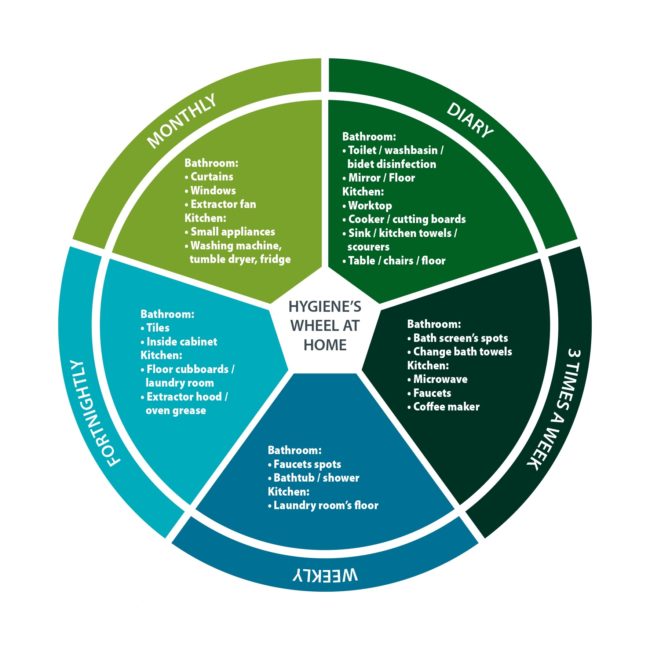
The “Hygiene’s wheel at home” by Instituto Silestone The extension and duration of Covid-19 has made it necessary to reinforce hygiene guidelines at home as an essential measure to be protected against the virus. The Silestone Institute proposes hygiene guidelines to avoid the formation of sources of infection in the home that could put people’s…
The kitchen, a key space for taking care of people’s health at home. Therefore, we reinforce 8 hygiene tips in the kitchen where to apply preventive measures against possible infections. Especially to continue taking care of ourselves at the current Covid-19 situation. First of all, it must be kept in mind that a virus is…
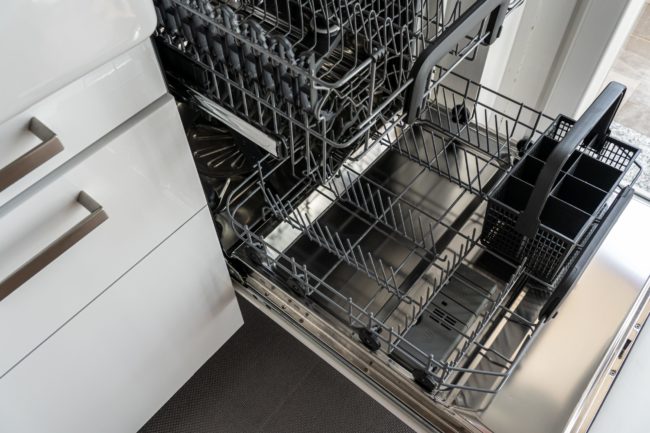
Filters: remove food residues from dishes and pans before putting them in the dishwasher to prevent them from accumulating in the dishwasher. Blades: check that the holes through which the water comes out are free of dirt. Door seals: remove any dirt. Inside the appliance and internal pipes: some cleaning products can be applied to…
Since the beginning of the pandemic, our home has become our refuge and living space. Overnight, our homes have become at the same time work centers, training spaces, places of leisure and relaxation. We change our way of relating to space and people, where we prioritize present and quality time. We enjoy more being at…
Live talk at Cosentino City Live According to a popular saying “Where the sun and air enters, the doctor does not enter” Rita Gasalla, architect specialized in healthy architecture, has given a live speech on “Healthy kitchens in times of Covid19”, organized by the Silestone Institute at Cosentino City Live. During the session, the architect…
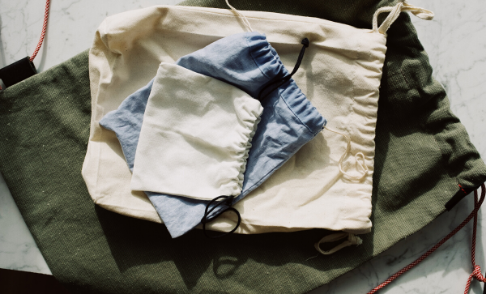
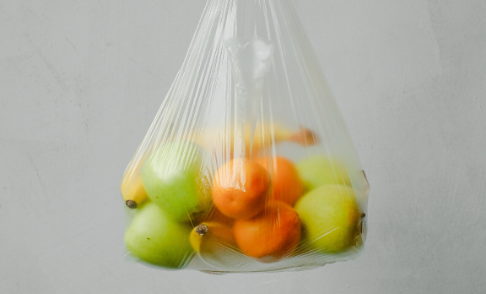
Put the bags on the floor, wash our hands and put the food in its storage place, putting the oldest in front. Take advantage to review the expiration dates or preferred consumption. Wash the bags used in the washing machine on a hot water program.
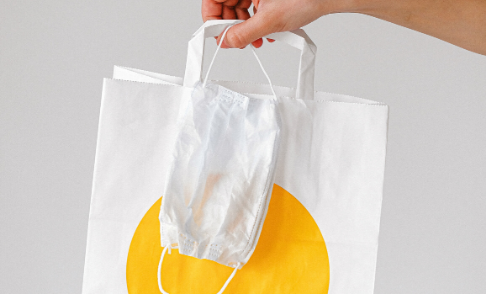
Go to the center avoiding rush hours and trying to maintain a safety distance of at least one meter with other clients. Of course, do not go if we have any symptoms that make us suspect that we are infected. Carry our own shopping bags avoiding using carts and baskets from the supermarket. Do not…
Do not speak on food (and of course cough or sneeze!), They do not reproduce them, but they could become a material support of the virus. Make the usual purchase including fresh products. Both frozen, industrial and home made in hygienic conditions, are an excellent option in these cases. Pay with a card better than…
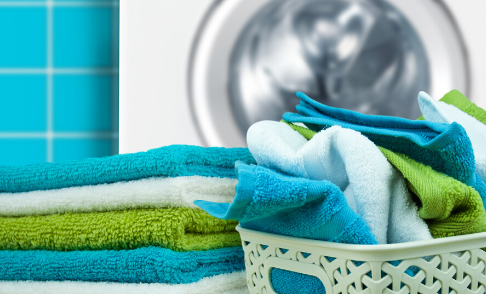
Change and wash kitchen towels and textile frequently at each cooking session and at maximum temperature. Leave the scouring pads and cloths to soak in 10% bleach for five minutes.
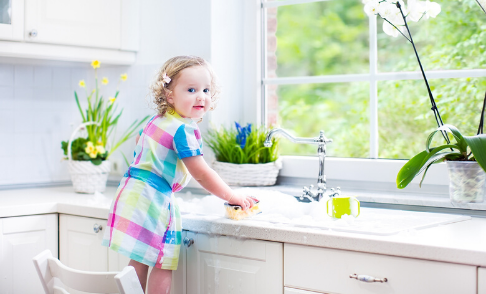
Do not use knives without supervision and use a cutting board for fruits and vegetables. Always wash your hands before cooking, rubbing them vigorously with warm soapy water. Before cooking, wear an apron, hair up and wear short-sleeved or rolled-up clothes. Clean up spills immediately. Use a paper towel, avoiding sponges or kitchen towels.